


The Ruling · Layermaxxing
Weather Is Volatile. Your Outfit Shouldn't Be: A Layering Guide
Past temperatures are not a reliable indicator of future temperatures. Your younger cousin calls it layermaxxing. We call it torso portfolio management.
Every autumn the same thing happens. You leave the house at 7:40 in a shirt because the sun is out and the app on your phone said 14°C, and by 7:52 you are standing on the platform at Clapham Junction holding your own elbows, because the app was talking about Lisbon and you didn't check.
By lunchtime it's warm again. By 6pm it's dark and raining sideways. The British autumn doesn't have weather, it has volatility, and most men are trying to trade it with a single position: one jumper, or one coat, held all day regardless of what the market does.
Layermaxxing is the correction. It's the practice of building your outfit in layers, matched to the temperature, so you can add or remove exposure as the day moves. It sounds like something your younger cousin said on TikTok, and it is, but underneath the name is the oldest rule in menswear and the oldest rule in finance: never put everything into one asset.
What Is Layermaxxing?
Layermaxxing means choosing the right clothing layers as the temperature changes, so you're never overexposed or underexposed. Two layers, picked properly, will outperform one heavy one across a full working day.
The logic holds up. A single thick jumper is a concentrated bet on the weather staying exactly as cold as it was at 7am. A base layer and an outer layer is a diversified position. Too warm on the Central line, the outer comes off. Too cold on the walk from Moorgate, it goes back on. You've hedged the day without carrying a coat you'll spend eight hours looking for a hook for.
"A coat is a long position on bad weather. Layering is a hedge."
The rest is allocation. How much insulation, in which fabric, on which part of the body. That's what the index is for.
The SIGNET Layering Index
Three temperatures. Three positions. A base layer and an outer layer for each, over a collared shirt.
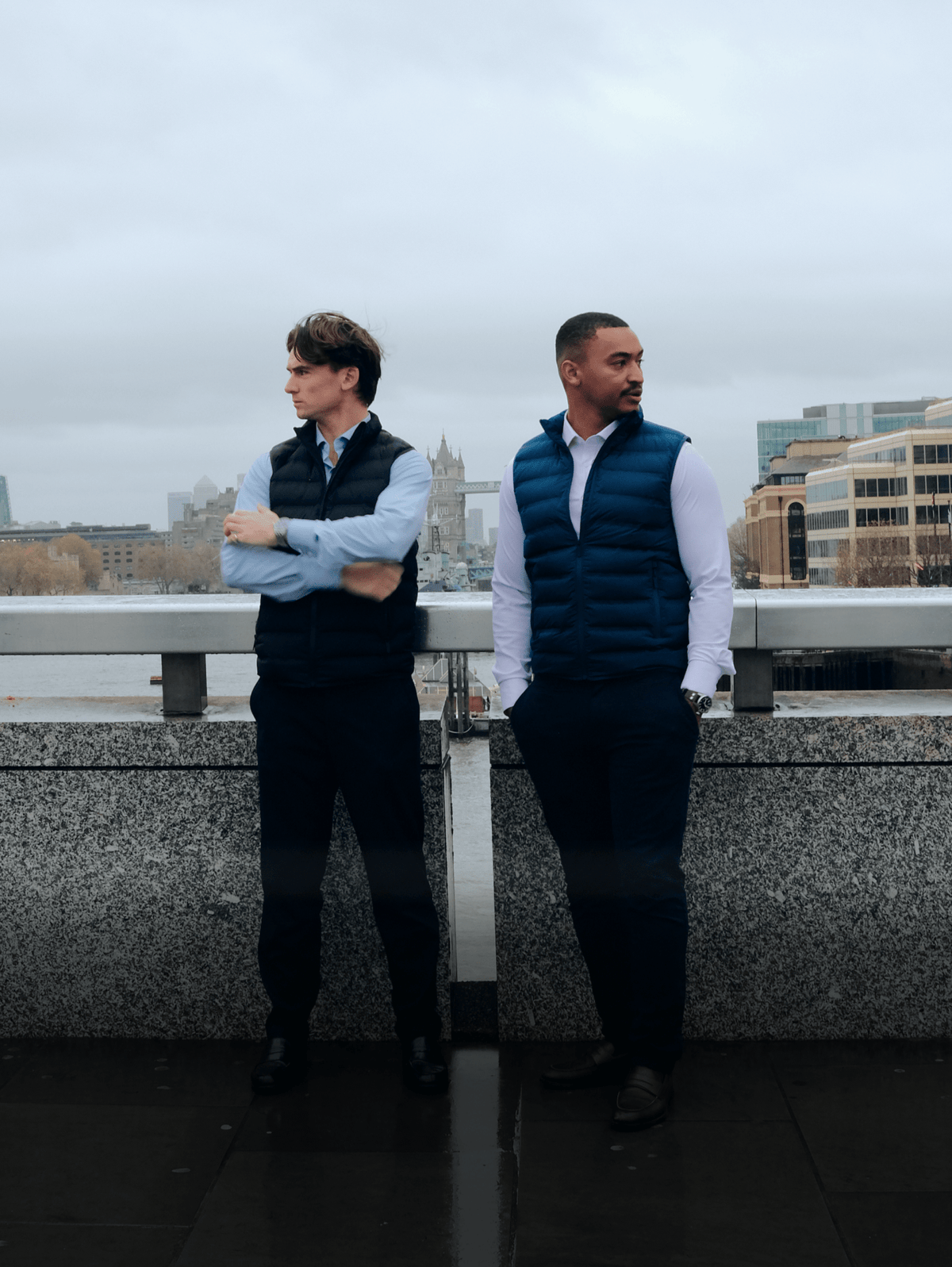
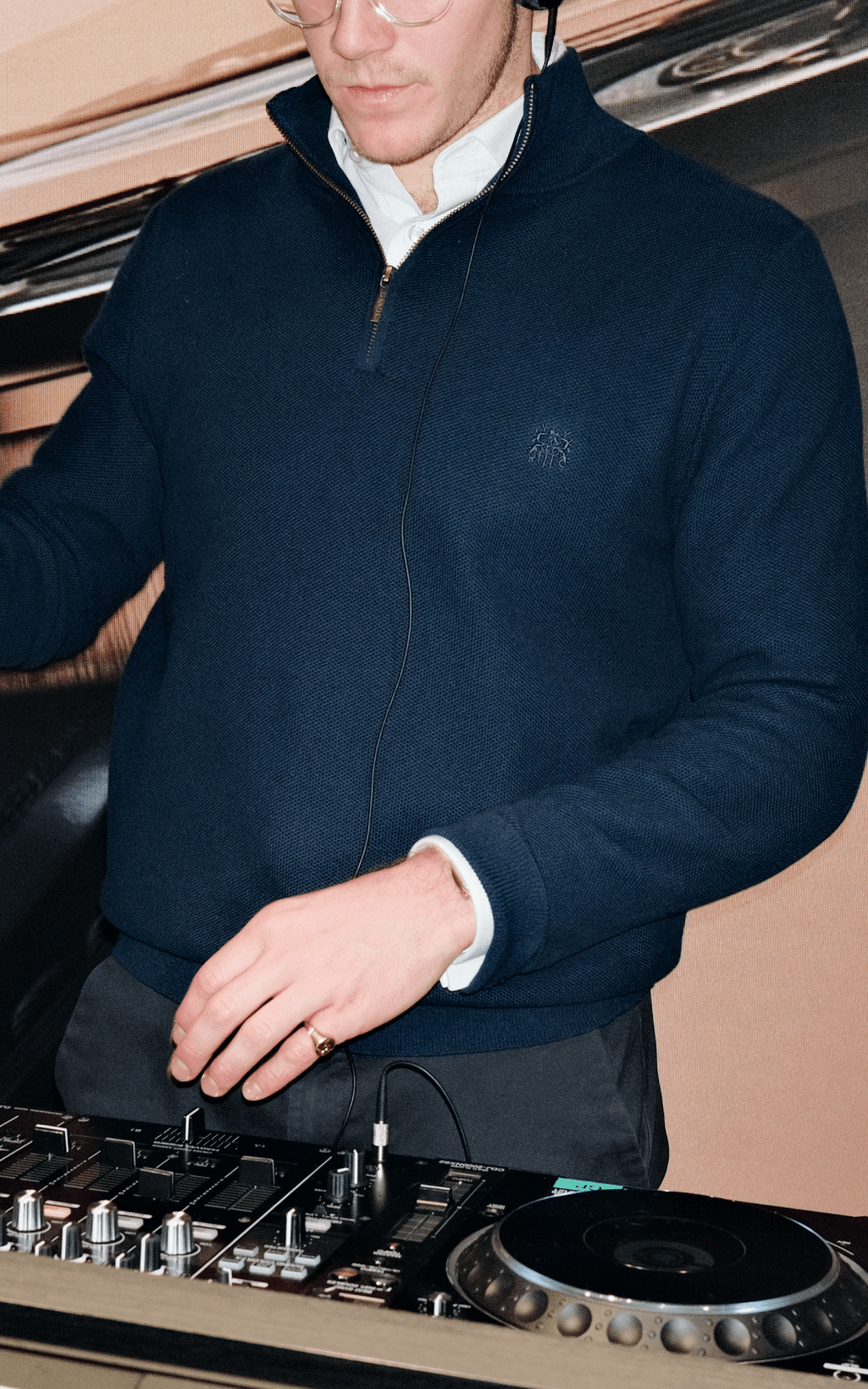
- ~15°C, light exposure: Mesh Knit Quarter Zip + Portfolio Gilet.
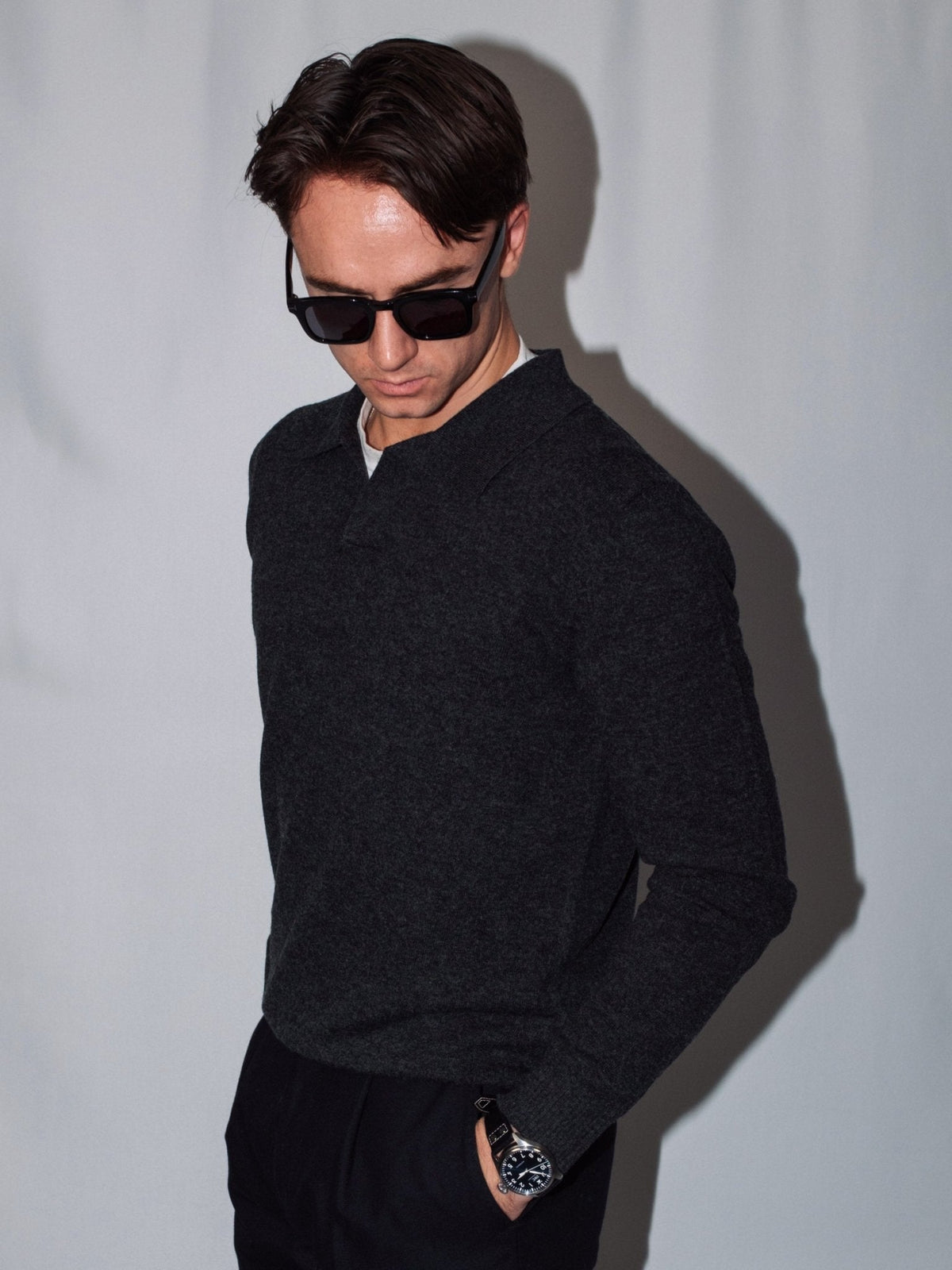
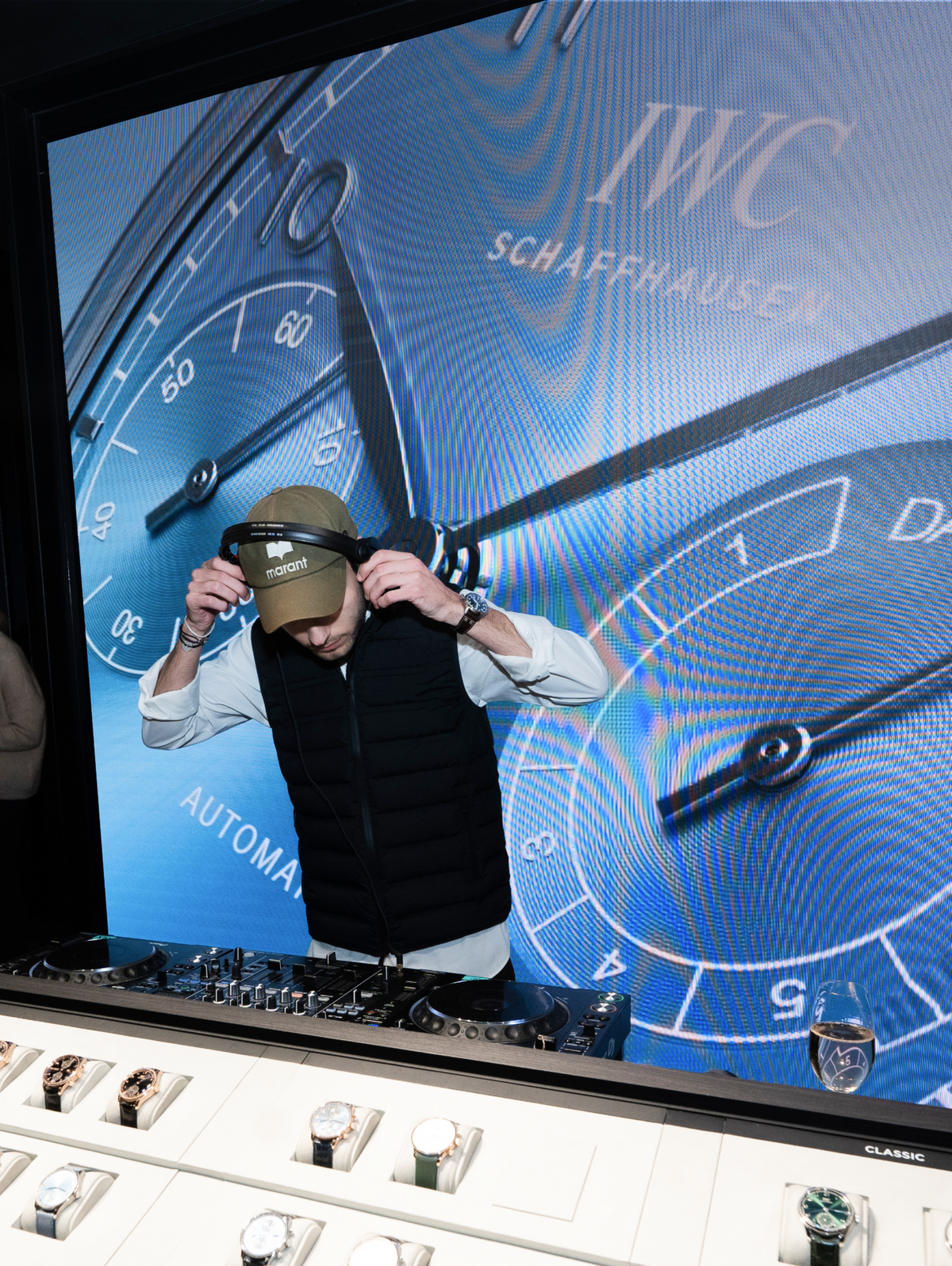
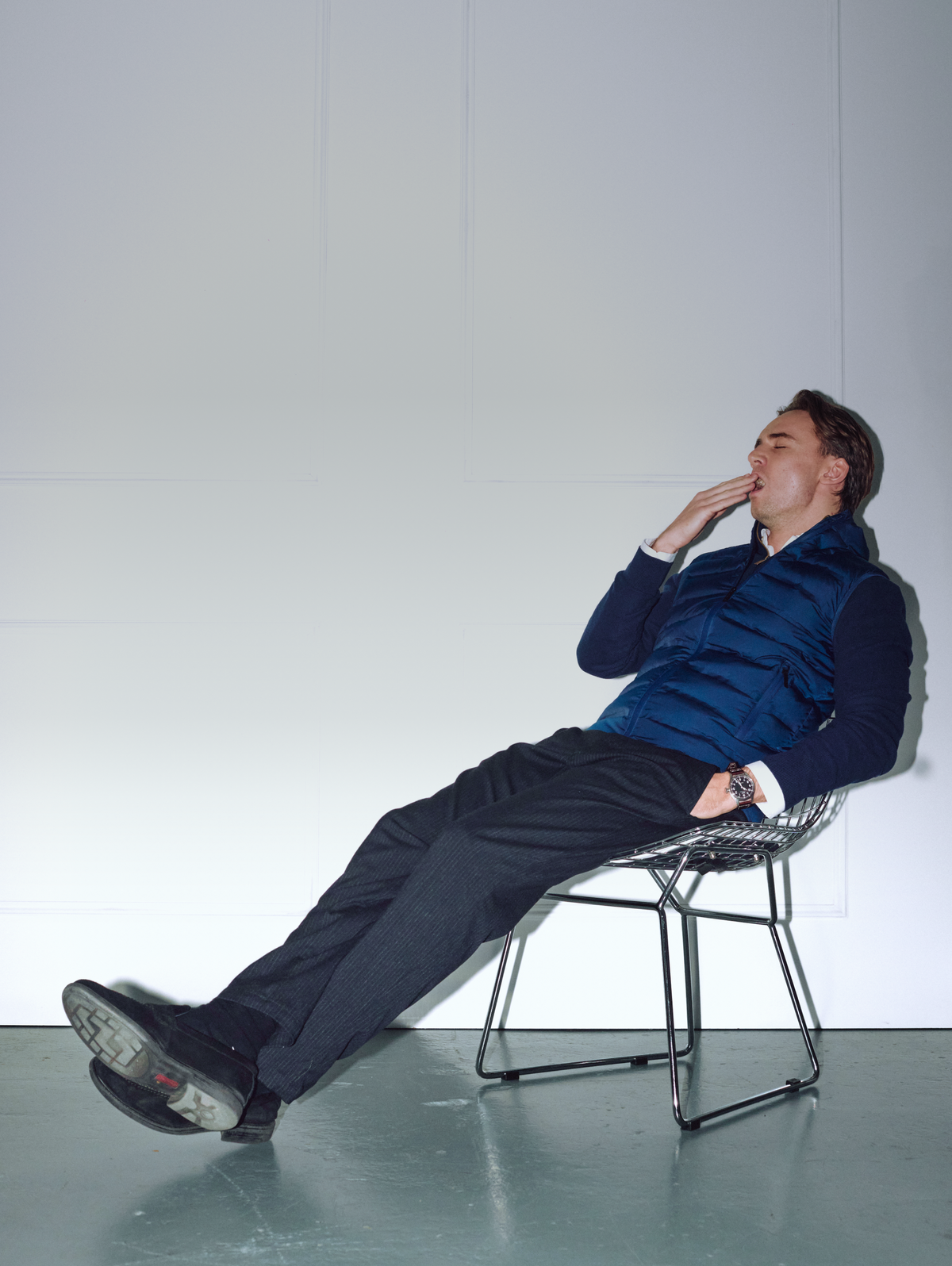
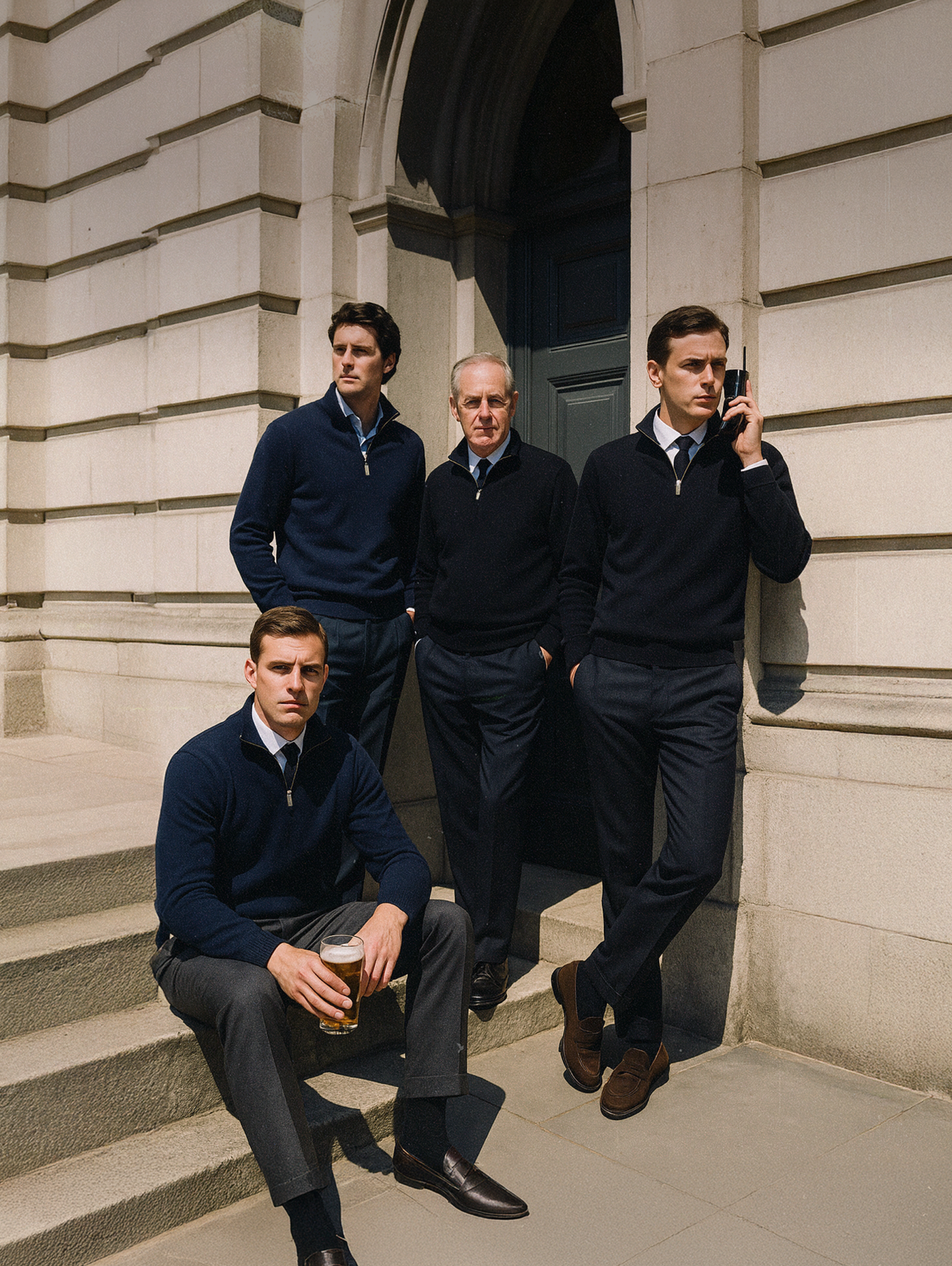
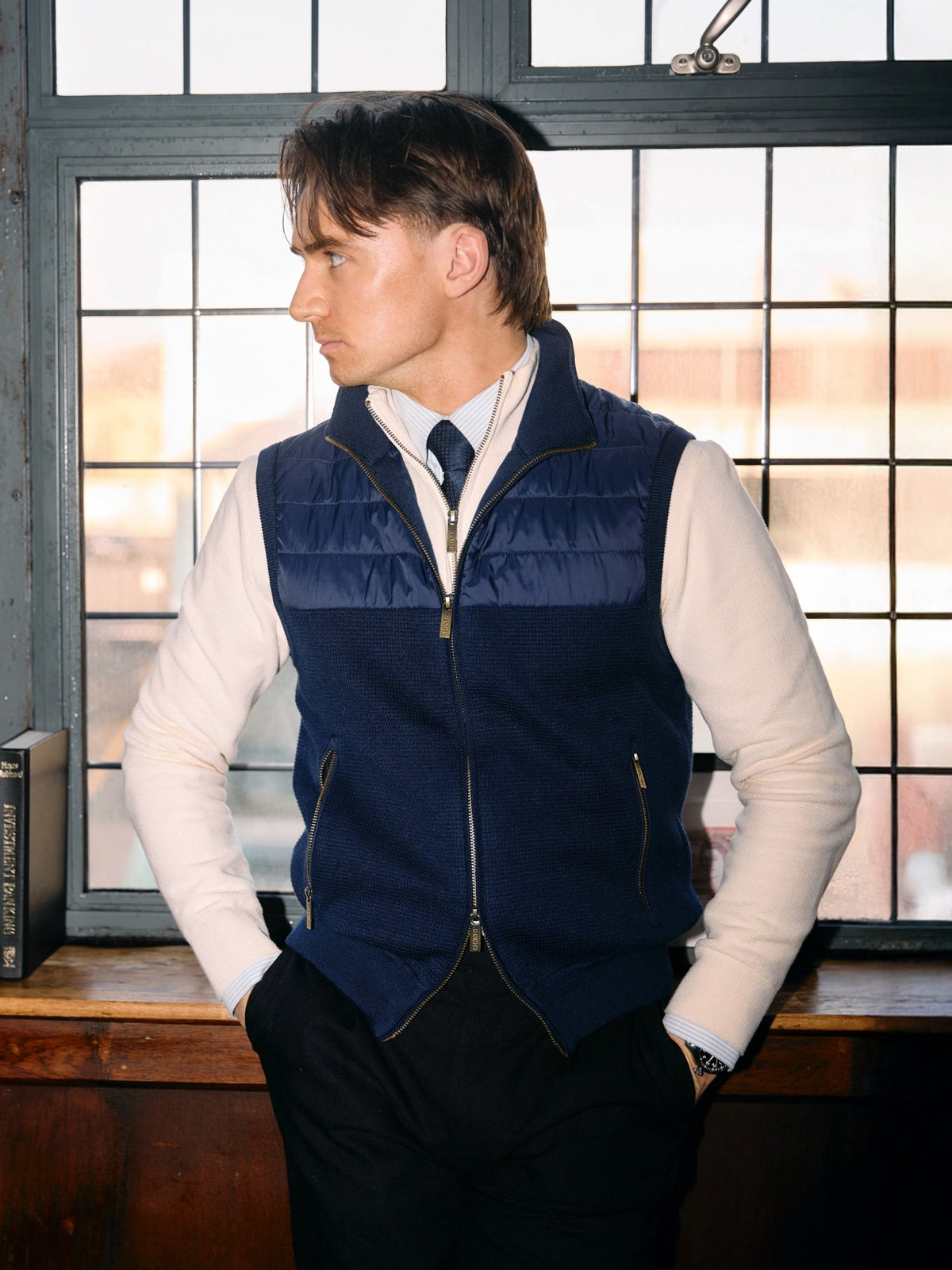
- ~10°C, moderate exposure: Merino Wool Quarter Zip + Hybrid Gilet.
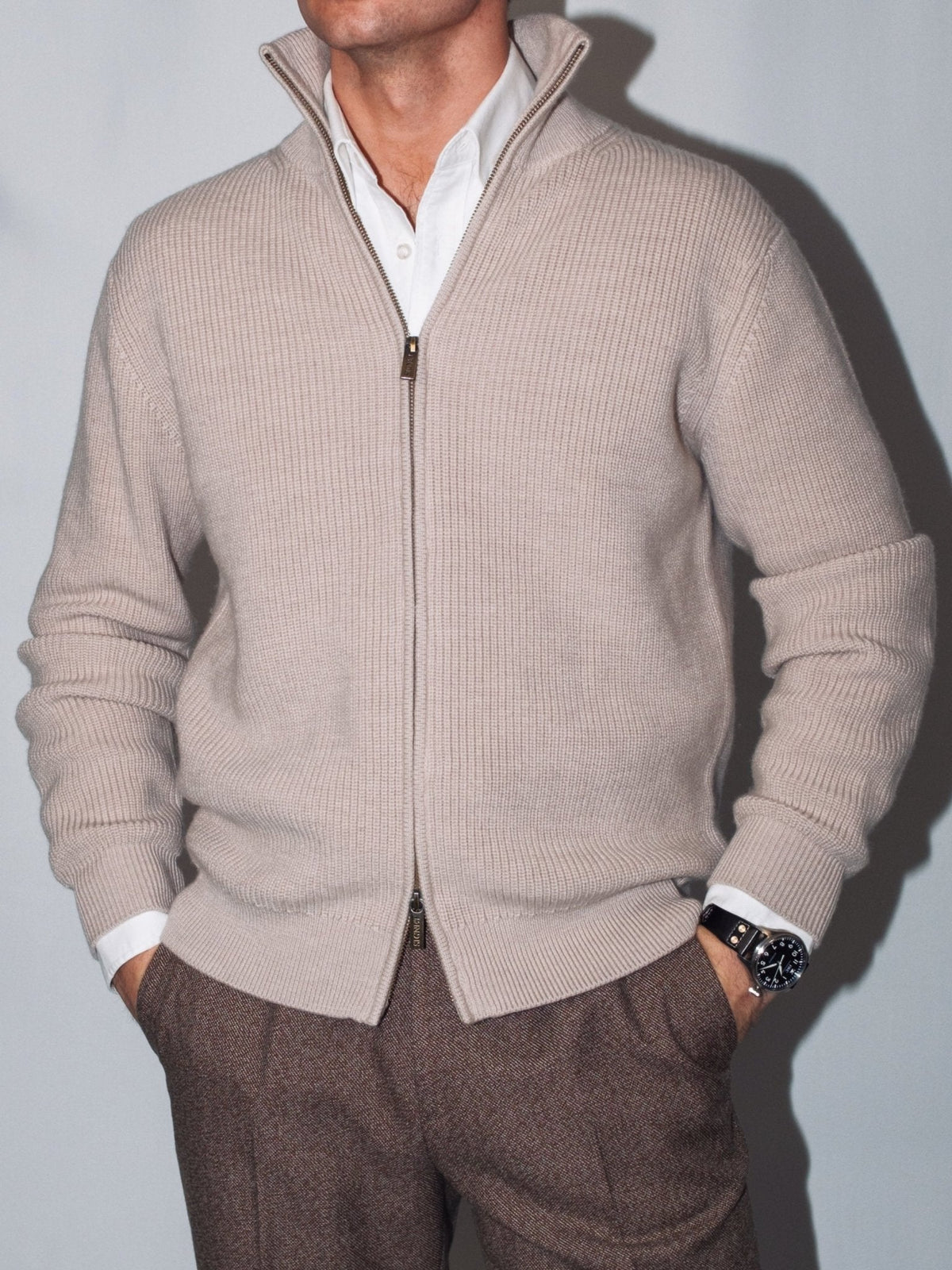
- ~5°C, fully hedged: Merino Wool Cardigan + Suede Gilet.
Past temperatures are not a reliable indicator of future temperatures. Capital at risk of getting cold.
What to Wear at 15°C: Light Exposure
The early autumn position. Warm enough that a coat is an overreaction, cold enough that a shirt alone is optimism.
The Mesh Knit Quarter Zip breathes, and the Portfolio Gilet's quilted front keeps your core warm without overheating. Low risk, steady returns, and no regrets by the time you reach the office. It is the position you can hold from the 8am stand-up to the 6pm drinks without once having to think about it, which is all anyone wants from an investment.
What to Wear at 10°C: Moderate Exposure
The position most of the City is in from October to Christmas, whether they know it or not.
Merino wool regulates your temperature, and the Hybrid Gilet's feather down fill holds the heat in. Diversified across arms and core, minimal bulk, and no sweating on your commute. The merino does the clever bit: it warms you on the platform and cools you down when the carriage turns into a sauna somewhere around Bank.
What to Wear at 5°C: Fully Hedged
The defensive allocation. For the mornings where the pavement sparkles and nobody in the lift makes eye contact.
Heavyweight merino under a feather down Suede Gilet. The most insulation in the range, and fully protected against the downside, whatever the forecast does next. The Cardigan gives you a full zip to vent through when the office heating overcorrects, and it will, because facilities set it in 2014 and nobody has the login.
The Rules of Layermaxxing
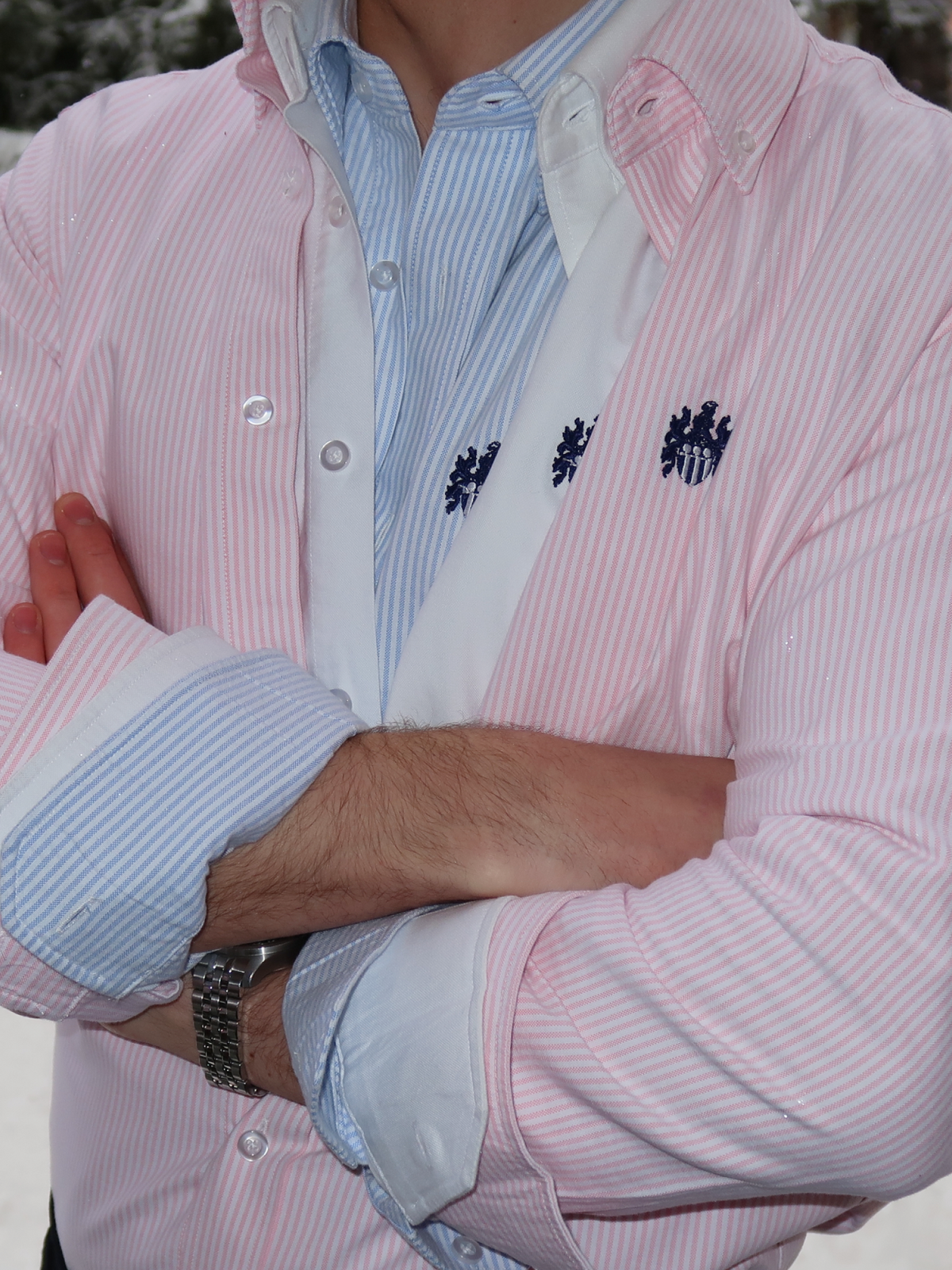
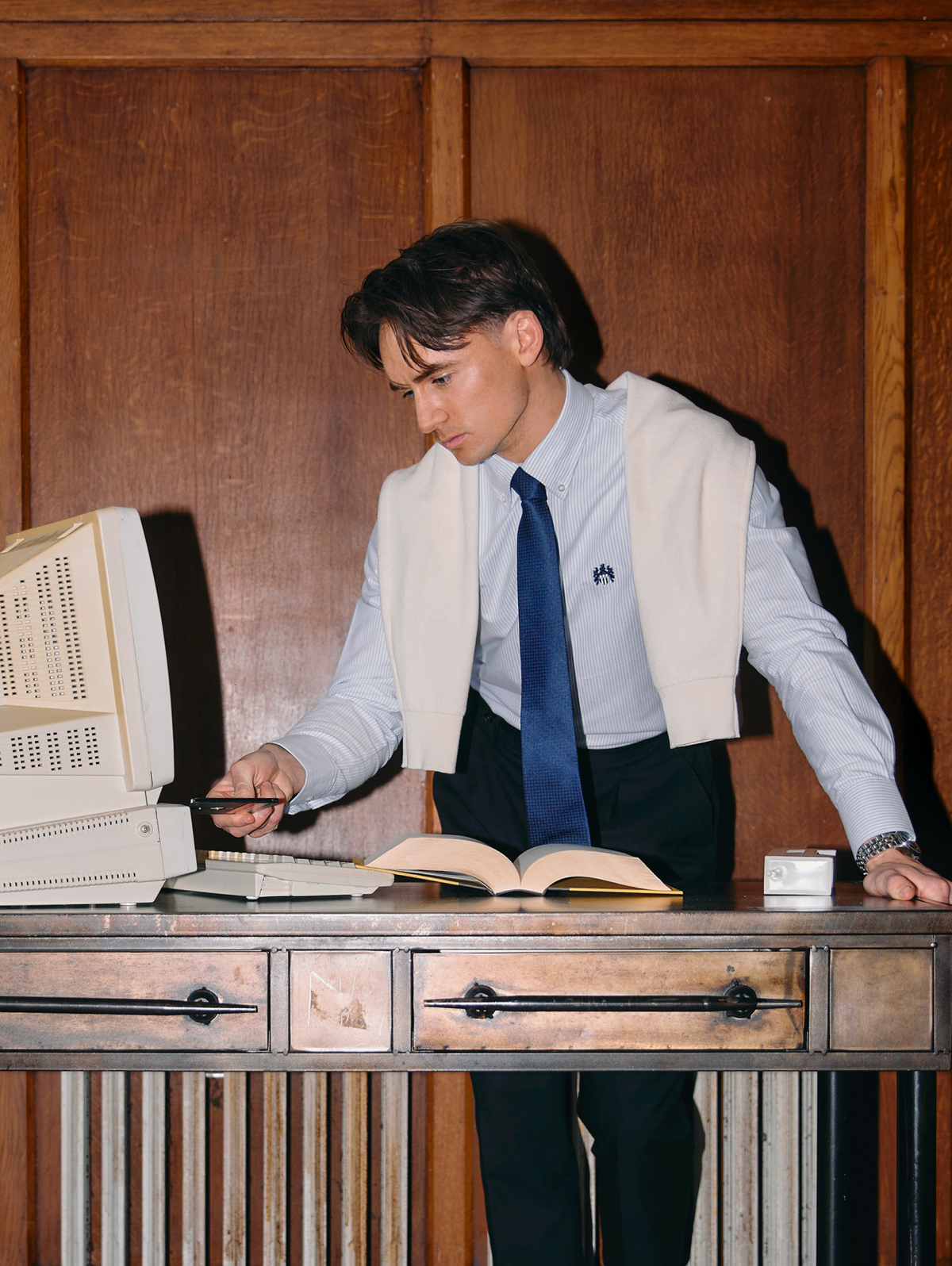
Start with a Collar. Every position in the index sits on a shirt. An Oxford, a poplin, a stripe. The collar is the foundation the whole portfolio is built on, and without it the stack reads as gym-to-train rather than desk-to-dinner.
Thin to Thick. The finest layer goes closest to the body, the heaviest on the outside. Reverse it and you look like you got dressed in the dark, during a power cut, in someone else's flat.
One Texture Per Layer. Cotton, then merino, then quilting or suede. Each layer should look different from the one beneath it, so the stack reads as a decision rather than an accident.
The Outer Layer Comes Off First. Build so that removing the top layer still leaves you dressed for the room. If the Gilet comes off and you're left in something you wouldn't take a meeting in, the allocation is wrong.
Two Layers Over the Shirt, Not Four. Layermaxxing is not wearing everything you own at once. That's not a portfolio, it's a jumble sale.
The Hybrid Jacket: Layermaxxing for the Man Who Doesn't Want to Pick Stocks
Not everyone wants to manage a portfolio. Some men want to buy the index, hold it, and never open the app again.
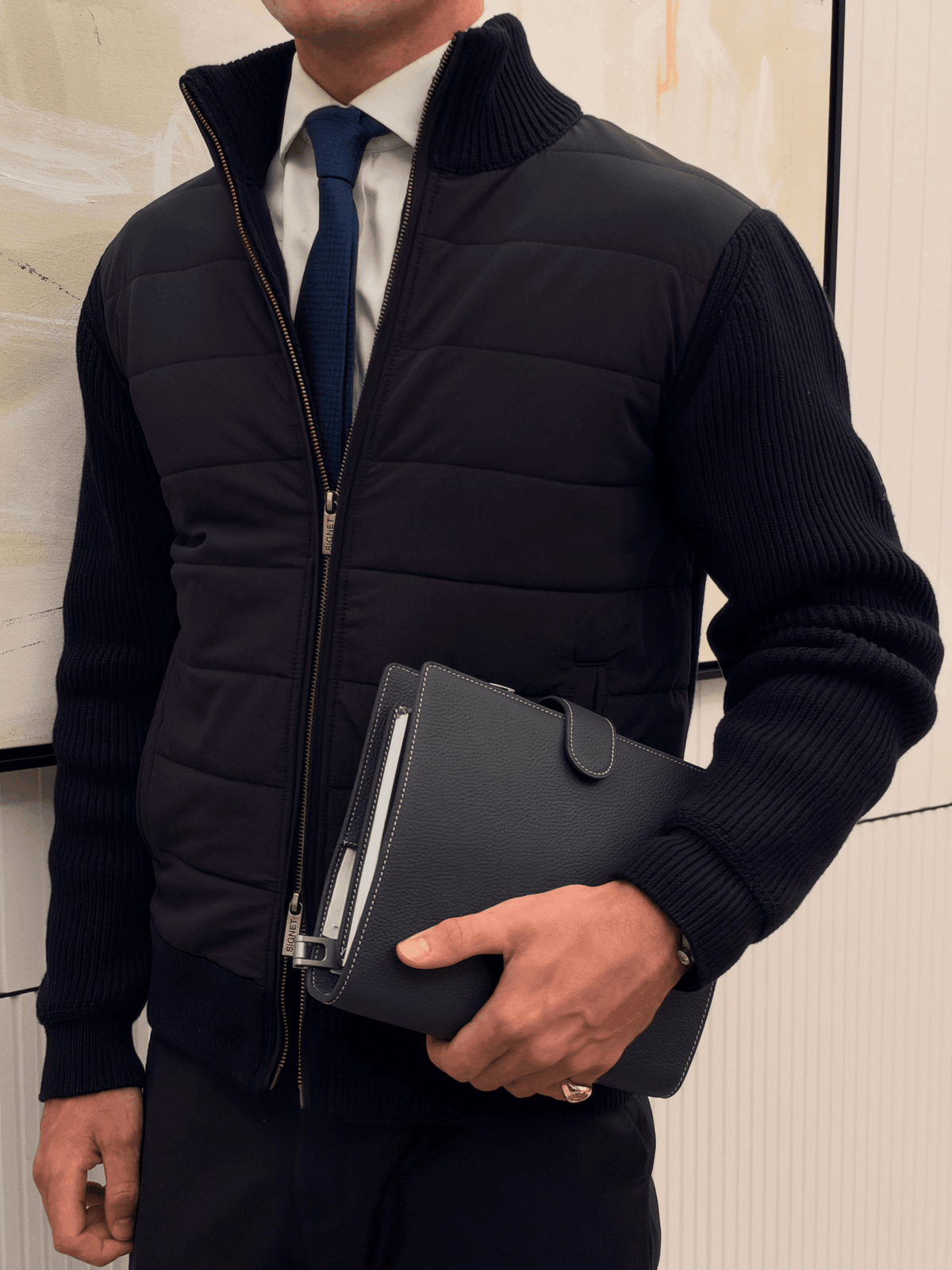
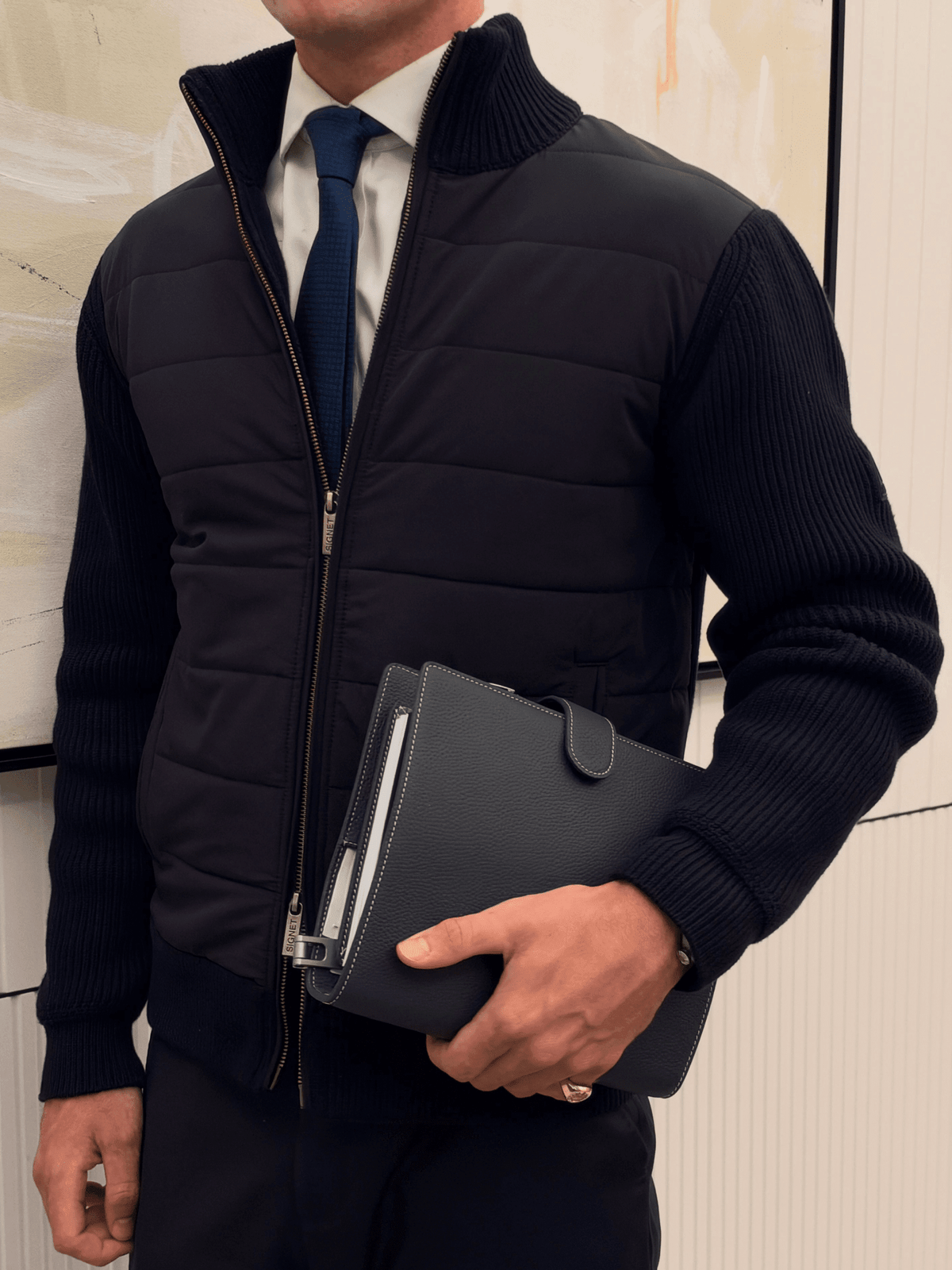
The Hybrid Jacket is the index fund. It takes the quilted body of the Hybrid Gilet and the sleeves of the Merino Wool Cardigan and consolidates both layers into one. Base and outer, held in a single position, under a double bronze zip.
It sits between moderate exposure and fully hedged. Over a shirt at 10°C, it does the work of a Quarter Zip and a Gilet. At 5°C, put the Merino Wool Quarter Zip underneath and you're covered without adding a coat. When the carriage heats up, unzip it and you've reduced exposure without taking anything off.
The layering index is still the best way to dress for an autumn in the City, and we'd stand by every position in it. The Hybrid Jacket is for the mornings you'd rather not trade. Same returns, one decision, fewer things to leave on the back of a chair at the pub.
Black for business. Navy for pleasure.
Layermaxxing Mistakes That Leave You Overexposed
Panic Buying a Puffer. The first cold Monday arrives and a man buys the biggest coat he can find. He then spends the next four months either sweating in it on the Tube or carrying it like a sleeping toddler. That's not hedging, that's capitulation.
Matching Every Layer. Navy on navy on navy reads as a uniform you were issued. Change the tone or the texture between layers, or the stack collapses into one dark rectangle.
Hoodie as a Base Layer. A hood under a Gilet is two hoods' worth of indecision. Keep a collar at the bottom of the stack.
Ignoring the Forecast. The index only works if you check the number. Dressing for 5°C on a 15°C day is the menswear equivalent of moving your pension into cash because someone at the pub had a bad feeling.
When Not to Layermax: Working From the Beach
There is one exception to everything above, and it applies to a very specific type of man.
If you are reading this from a sun lounger, on a Tuesday, having told your team you're "working remotely this week" and that "the WiFi is actually really good", you do not need a layering strategy. You need a linen shirt.
Your exposure is to sunlight, an ice cold pint, and the risk that someone asks you to turn your camera on. Layermaxxing at 28°C is not hedging, it's a cry for help. One layer, in French linen, buttons undone to a level HR would describe as "inappropriate".
We'll see you back in London when the market turns. Bring the tan. Leave the layering index on your desk.
Business Casual Layering FAQs
How do you layer for business casual?
Start with a collared shirt, add a fine knit such as a Merino Wool Quarter Zip, and finish with a Gilet or a quilted jacket. Two layers over the shirt is enough for most offices, and the outer layer should come off without leaving you underdressed.
What should I wear under a quarter zip?
A collared shirt: an Oxford, a poplin or a stripe, with the collar sitting above the zip. A T-shirt underneath reads as weekend wear rather than business casual.
How do you layer an Oxford shirt?
Use it as the base of the stack. Oxford shirt first, then a knit such as a Quarter Zip or Cardigan, then a Gilet on top. Keep the collar out over the knit so the shirt still shows.
What does layermaxxing mean?
Layermaxxing means wearing clothes in layers matched to the temperature, so you can add or remove warmth as the day changes. A typical stack is a collared shirt, a knit base layer and an outer layer such as a Gilet.
What should I wear in 15 degrees?
A collared shirt with a lightweight cotton Quarter Zip and a quilted Gilet. Breathable enough for the office, warm enough for the walk.
What should I wear in 10 degrees?
A shirt, a Merino Wool Quarter Zip and a down-filled Gilet. Merino regulates temperature, and the Gilet holds heat at the core.
What should I wear in 5 degrees?
A shirt, a heavyweight merino Cardigan and a feather down Gilet, or a quilted jacket with a merino layer underneath.
How many layers should you wear?
Two over a shirt is enough for most UK autumn and winter days. More than that adds bulk without adding much warmth.
The Verdict: Diversify, Then Hold
The British winter months will not settle down, and it isn't going to start for you. You can't control the weather. You can control your exposure to it.
Pick the position that matches the number on your phone. Two layers over a collar. Take the top one off when the carriage heats up and put it back on when you surface at Bank. If you'd rather not trade at all, buy the index and wear the Hybrid Jacket.
And if you're on a beach, none of this applies to you. Enjoy the WiFi.
Shop The Story


SIGNET
The Paper, By Post
The Fine Print, sent when there's something worth saying.
New releases, quiet restocks, the occasional unsolicited opinion on the state of menswear.
Think of it as our investor relations desk. Except the only capital we're asking for is your email.